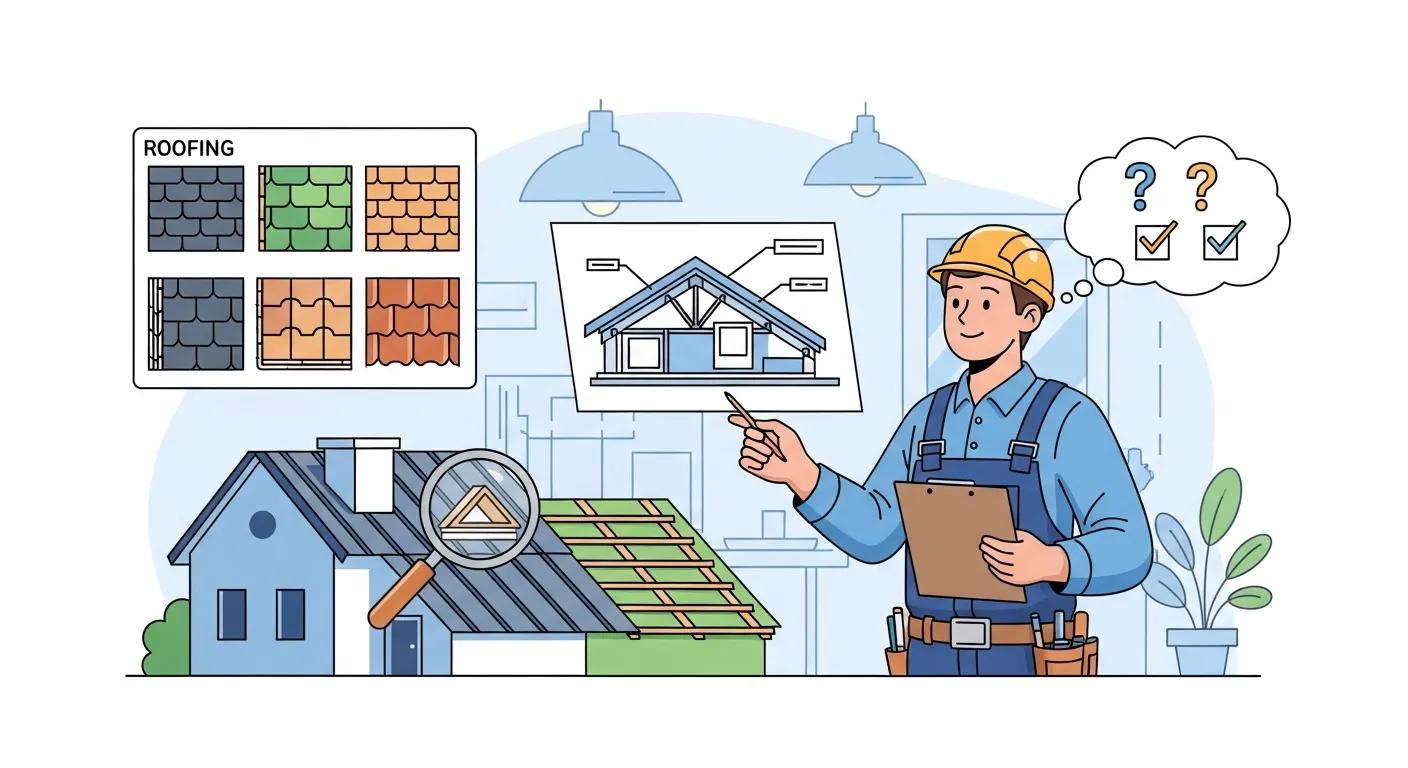
How to Choose a Reliable Roofing Contractor
How to Choose the Right Roofer for Your Home
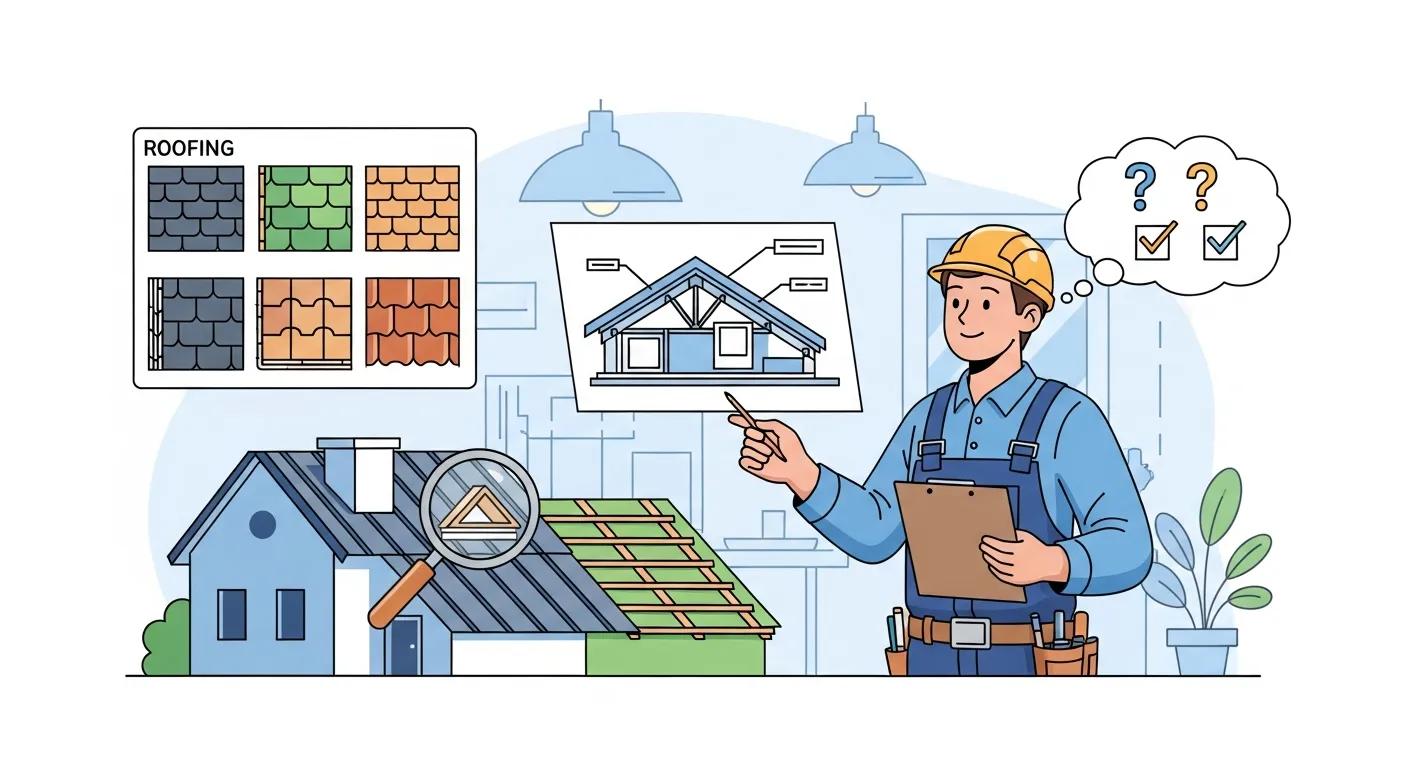
Your roof protects your home—and picking the right contractor matters. With so many options, it’s easy to feel unsure. This guide simplifies the decision: what qualifications to check, how to vet experience and reputation, what a transparent estimate should include, and the questions that reveal a contractor’s professionalism. Read on to avoid costly mistakes and make a confident choice for a long-lasting roof.
Core Qualifications Every Reliable Roofing Contractor Should Have
Before you hire, confirm a contractor’s credentials. Key items are a valid state license, appropriate insurance, and manufacturer certifications for the materials they plan to use. These credentials show the contractor’s skill and protect you from liability if something goes wrong.
Why Licensing and Insurance Matter for Roofing Contractors in Utah
Licensing proves a contractor has met state standards and understands local building rules. Insurance—liability and workers’ comp—protects you if someone is injured or property is damaged during the job. Hiring an unlicensed or uninsured crew can leave you legally and financially exposed.
What Manufacturer Certifications Say About Quality and Expertise
Manufacturer certifications mean the contractor has completed training and is approved to install specific products. Certified installers are more likely to follow manufacturer guidelines, which helps preserve warranties and extend the life of your roof. It’s a practical sign of professionalism.
How to Evaluate Experience, Reputation, and References
Experience and reputation tell you how a contractor performs under real conditions. Look for a proven track record, read online reviews, and ask for recent references. Together these steps give a clearer picture of reliability, workmanship, and customer service.
What 30+ Years of Roofing Experience Brings to Your Project
Three decades in the business means the crew has seen many roof types, weather patterns, and code changes. Experienced teams handle surprises faster, make better material choices, and produce more consistent results—saving time and often money in the long run.
How to Verify Online Reviews and Check Customer References
Start with Google, local review sites, and the contractor’s testimonials. Look for recurring themes—both positive and negative. When you call references, ask about communication, timeliness, cleanup, and whether the job stayed on budget. Specific questions reveal more than general praise.
What a Transparent Roofing Estimate Should Include to Avoid Surprises
A clear estimate prevents hidden costs and confusion. A good quote spells out materials, labor, and timelines so you know exactly what’s included—and what isn’t—before any work begins.
Which Details Make a Roofing Estimate Clear and Complete?
A straightforward estimate includes:
- Breakdown of Costs: Itemized pricing for materials, labor, permits, and extras.
- Timeline for Project Completion: Expected start and finish dates and how delays are handled.
- Payment Schedule: When payments are due and what payment methods are accepted.
How to Read Roofing Contracts and Warranty Terms
Carefully review the contract for scope of work, payment terms, and warranty coverage. Note what the warranty actually covers and for how long. If anything is unclear, ask for plain-language explanations before signing—your contract is the final word if disputes arise.
Questions to Ask Roofing Contractors to Confirm Professionalism
Asking targeted questions helps you assess competence and fit. Focus on experience, project management, communication, and how they handle unexpected issues.
Why Clear Communication Is a Strong Indicator of Reliability
Reliable contractors communicate clearly about scheduling, materials, and changes. They return calls promptly, explain next steps, and set realistic expectations. Good communication reduces surprises and builds trust.
Signs of a Trustworthy, Responsive Roofing Contractor
Look for these behaviors:
- Prompt Responses: Quick answers to calls and emails.
- Professionalism: Courteous, organized, and willing to explain details.
- Transparency: Open about costs, schedules, and potential challenges.
These traits show the contractor values your project and your satisfaction.
How Safety and Project Management Affect Your Contractor Choice
Prioritizing safety and organized project management keeps the job on schedule and protects your property and the crew. A contractor with clear safety procedures and a project plan is less likely to create problems during the build.
What Safety Protocols a Professional Roofing Contractor Should Follow
Expect contractors to follow basic safety standards, including:
- Use of Personal Protective Equipment (PPE): Helmets, gloves, eye protection, and other required gear.
- Fall Protection Measures: Harnesses, guardrails, or other systems to prevent falls.
- Site Safety Inspections: Regular checks to identify and address hazards.
How Efficient Project Management Improves Reliability
Good project management keeps work moving: clear schedules, coordinated crews, timely material deliveries, and routine updates to the homeowner. That coordination reduces delays and helps deliver a quality roof on time.
Why Local Expertise and Material Knowledge Matter in Utah
Utah’s climate and codes affect which materials and techniques work best. A contractor familiar with local conditions can recommend solutions that hold up to snow, sun, and the region’s building requirements.
What Utah’s Roofing Challenges and Building Codes Mean for Your Roof
From heavy snow loads to hot, dry summers, Utah weather puts unique demands on roofs. Local building codes and inspection practices also vary. A contractor who understands these factors will design and install a roof that meets both performance and compliance standards.
How to Choose Roofing Materials for Utah’s Climate
Select materials for durability, insulation, and energy performance. Common options—like asphalt shingles, metal, and tile—each have pros and cons depending on your home and budget. A qualified contractor will explain trade-offs and recommend the right fit for your location.
| Service | Detail | Importance |
|---|---|---|
| Licensing | Confirm the contractor’s state license | Ensures compliance with local regulations |
| Insurance | Verify liability and workers’ compensation coverage | Protects you from financial responsibility for injuries or damage |
| Manufacturer Certifications | Ask for certifications from recognized brands | Shows expertise with specific materials and supports warranties |
This table summarizes the key qualifications to check before hiring a roofer so you can make an informed choice.
Choosing the right roofing contractor is one of the most important decisions for your home. By checking qualifications, reviewing experience and references, and insisting on clear estimates and communication, you’ll protect your investment and get the results you expect.
Frequently Asked Questions
What should I do if I encounter issues during my roofing project?
Tell your contractor as soon as possible and document the problem with photos and notes. A professional team will investigate and propose a fix. If the issue isn’t resolved, review your contract and warranty terms for remediation steps or dispute resolution. Clear documentation makes resolving problems easier.
How can I ensure my roofing contractor is using quality materials?
Ask which brands and product lines they plan to use and why. Check manufacturer specifications and look for installer certifications. A transparent contractor will provide product details and explain how those materials perform in your climate.
What are common red flags to watch for when hiring a roofer?
Be wary of contractors without proper licensing or insurance, vague or verbal-only estimates, high pressure for big upfront payments, or inconsistent reviews. A reputable contractor gives a written estimate, answers questions directly, and provides references.
How can I prepare my home for a roofing project?
Clear the work area of vehicles, lawn furniture, and fragile items. Protect landscaping if possible and move valuables away from exterior walls and windows. Discuss any special needs with your contractor before work begins so they can plan accordingly.
What is the typical timeline for a roofing project?
Timelines vary with roof size, material, and weather. Most residential jobs take a few days to a couple of weeks. Your contractor should provide a start date, projected completion date, and a plan for handling delays like bad weather or unexpected repairs.
What should I do after my roof is installed?
Walk the job with your contractor to confirm everything is complete. Keep warranty paperwork and maintenance instructions. Regular upkeep—cleaning gutters, inspecting for damage—helps extend your roof’s life and protects your warranty.
Final Thoughts
Finding the right roofer means balancing credentials, experience, clear pricing, and strong communication. Do your homework, ask targeted questions, and choose a contractor who treats your home with care. If you want help comparing options or getting a clear estimate, reach out—we’re here to make the process straightforward and reliable.


